
OceanGliders

A Global Network for Glider-Based Ocean Observations

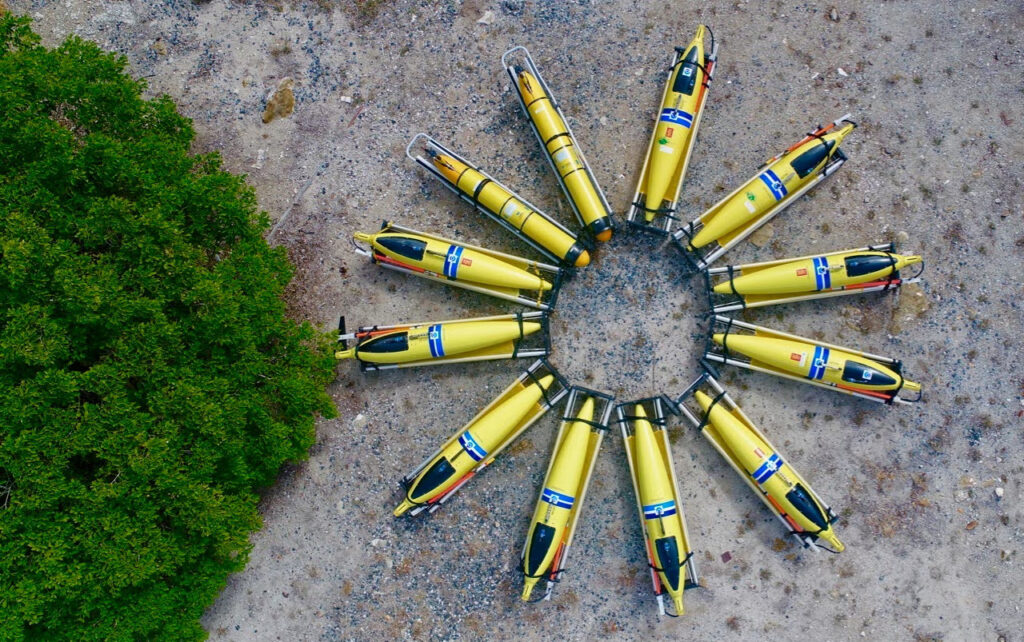
OceanGliders is a GOOS program dedicated to coordinating and advancing sustained ocean observations using underwater gliders. As part of the Global Ocean Observing System (GOOS), OceanGliders focuses on collecting and integrating high-quality glider data to improve our understanding of ocean dynamics, biogeochemistry, and climate variability. The initiative supports standardization, best practices, and global data sharing, working closely with research institutions, operational agencies, and stakeholders to enhance the impact of glider-based ocean monitoring.

OceanGliders Chairs

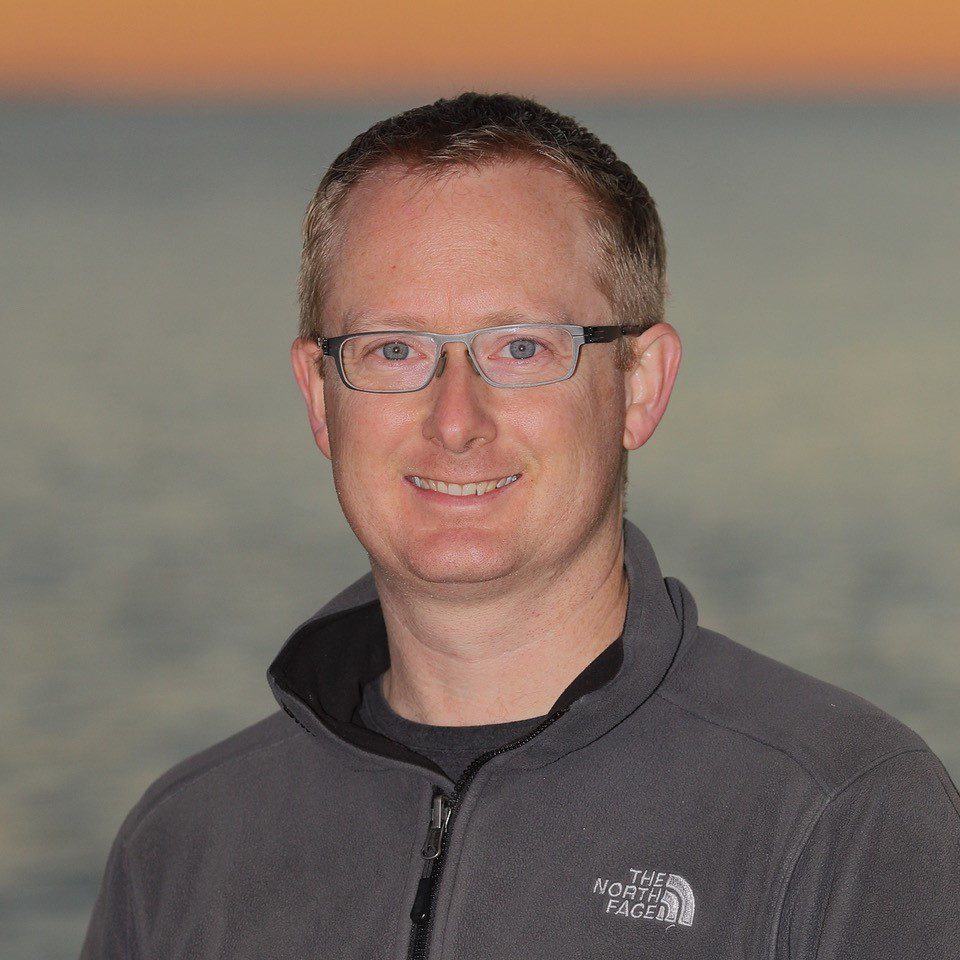
Robert Todd - WHOI

Associate Scientist at Woods Hole Oceanographic Institution (WHOI) in US. Research Interests: Boundary, coastal, and Equatorial current systems (e.g., Gulf Stream and Loop Current, the California Current System, Middle Atlantic Bight shelf break, Pacific Equatorial Undercurrent, Indian Equatorial currents), upper ocean processes, thermohaline structure, autonomous observations.
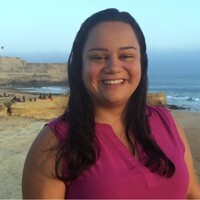
Filipa Carvalho - NOC

Senior Research Scientist at National Oceanographic Center (NOC) in UK. She is studying biophysical interactions and the biological carbon pump using underwater gliders and other autonomous platforms. Her work focuses on how water column dynamics influence phytoplankton and carbon export, particularly in polar regions.
OceanGliders Technical Coordinator

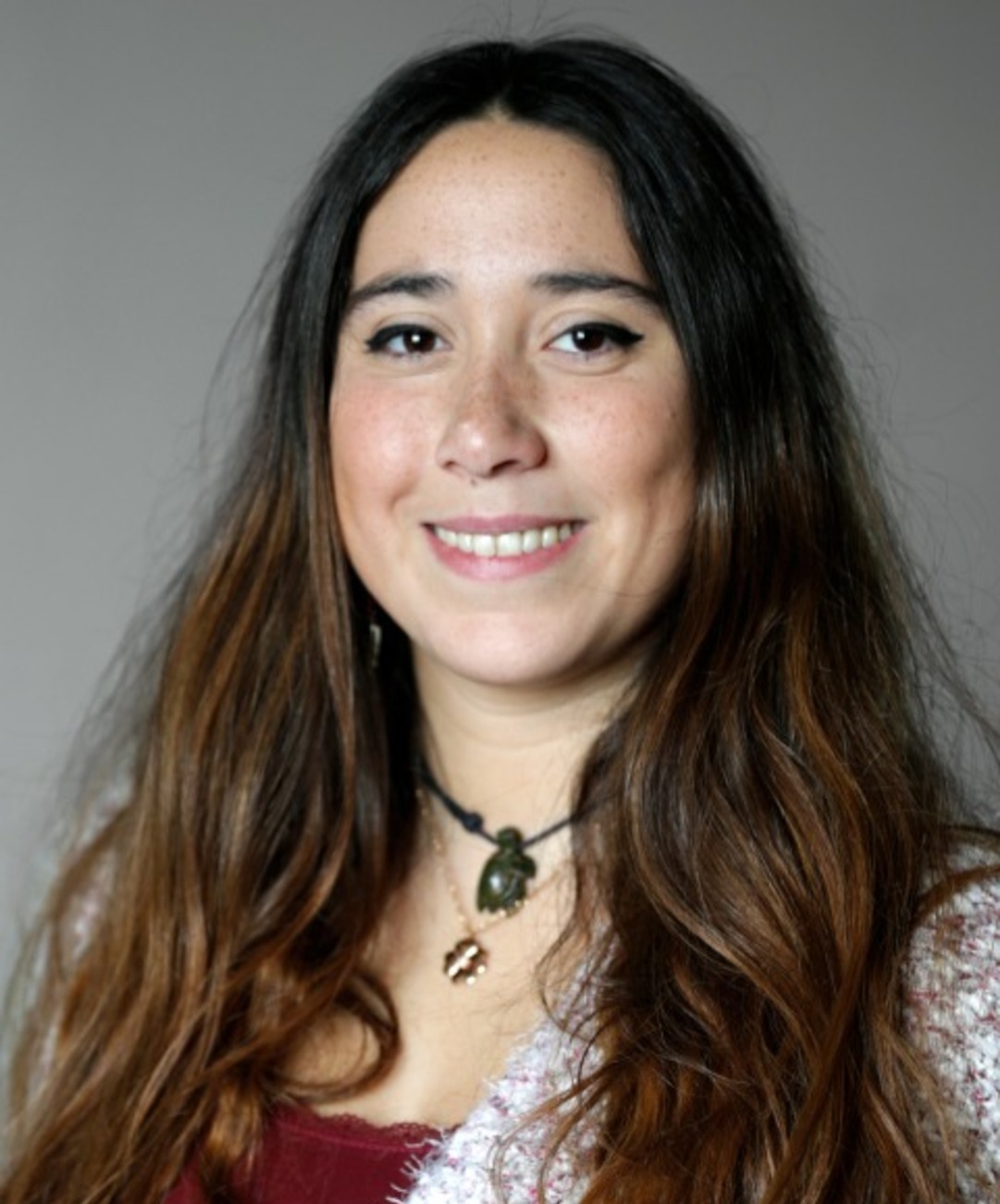
Mariarita Caracciolo - OceanOPS/ENSTA

Mariarita is the Technical Coordinator of the Ocean Gliders, an international program of the GOOS, where she supports global coordination through real-time tracking, data management, reporting services, and the development of IT tools for underwater glider operations. She is also Coordinator of the European Glider Community (EGC), facilitating collaboration between scientists, engineers, operators, and policymakers through workshops and webinars. With a background in marine ecology and data science, she combines research coordination with strong expertise in science communication and outreach.
OceanGliders Format User Manual

The OceanGliders Format (OG1.0) user manual defines a standardized data format for glider observations, aiming to harmonize previously incompatible regional formats and ensure interoperability across global observing systems. It specifies how glider missions should be structured as NetCDF trajectory datasets following CF and ACDD conventions, including mandatory metadata, variables (e.g., time, position, platform identifiers), and controlled vocabularies. This common framework supports FAIR data principles (Findable, Accessible, Interoperable, Reusable) and enables consistent sharing, quality control, and long-term use of glider data within the international ocean observing community.

OceanGliders controlled vocabularies

The OceanGliders controlled vocabulary table defines the standardized terms that must be used within the OG data format to ensure consistency and interoperability across datasets. These vocabularies are largely aligned with, and often directly sourced from, the NERC Vocabulary Server (NVS), which provides centrally managed, uniquely identified terms widely used in marine science to annotate and describe data. By relying on NVS, OceanGliders ensures that variables, instruments, and metadata use common, machine-readable terminology, facilitating data integration, discovery, and reuse across international observing systems.

Scroll to Top